


Some leaders are easy to admire while they’re standing in front of you. The real test is what’s left behind once they’re not. What a construction crew still does, still expects, and still holds itself to, months after that person has moved on to the next jobsite.
Corbins Project Executive Sean Reilly has moved sites more than once. What hasn’t moved or changed is how the people who work with him talk about him, or the fact that three of them, on three different jobs, describe the same person almost line for line.
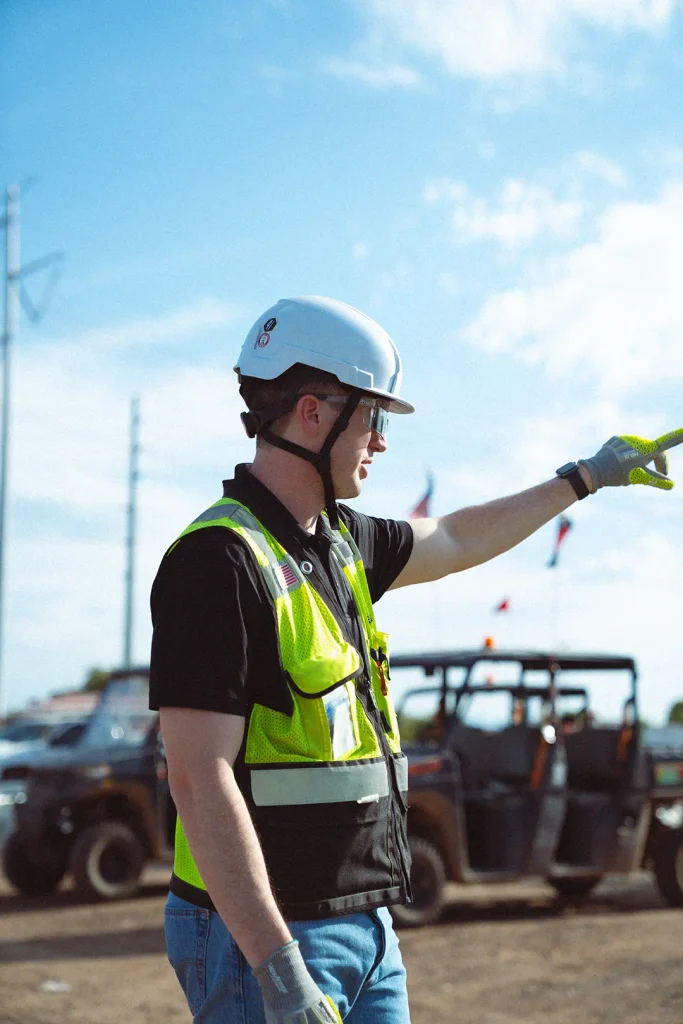
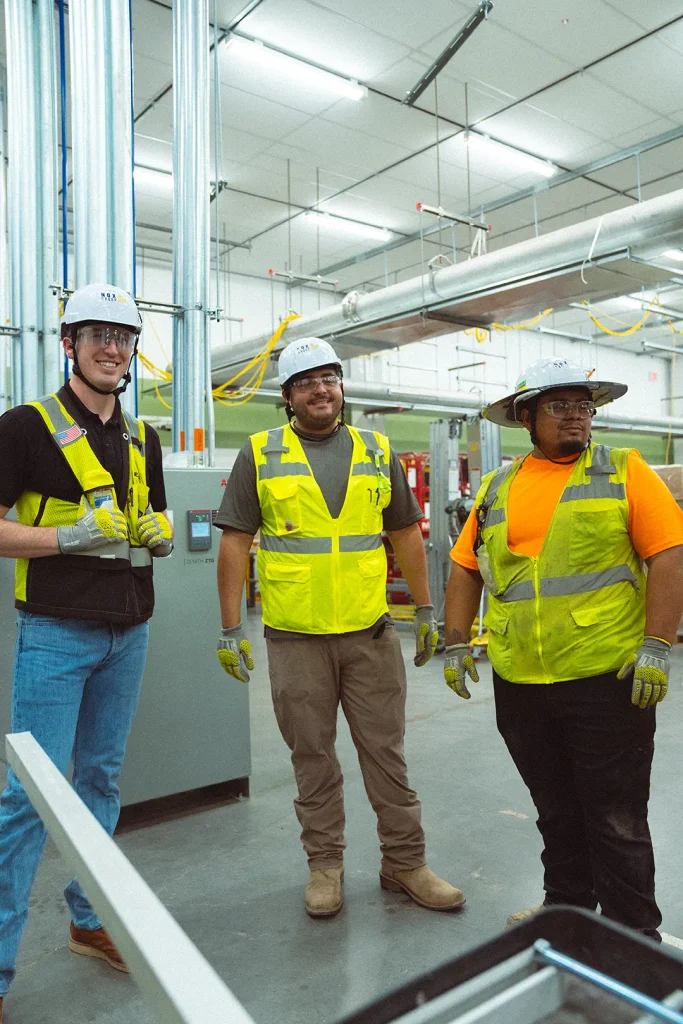
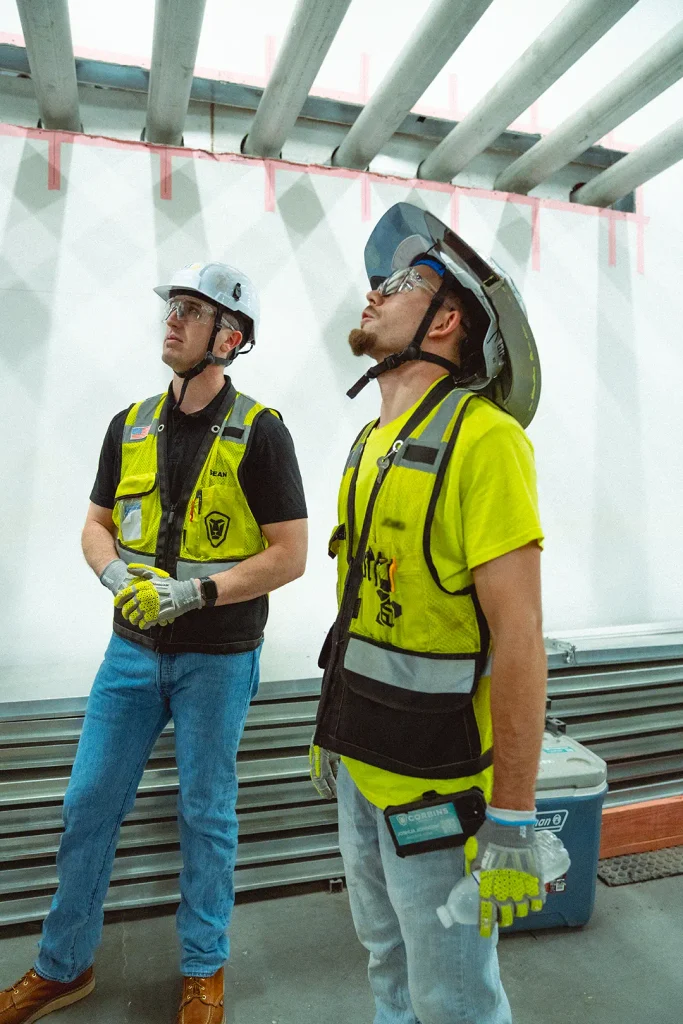
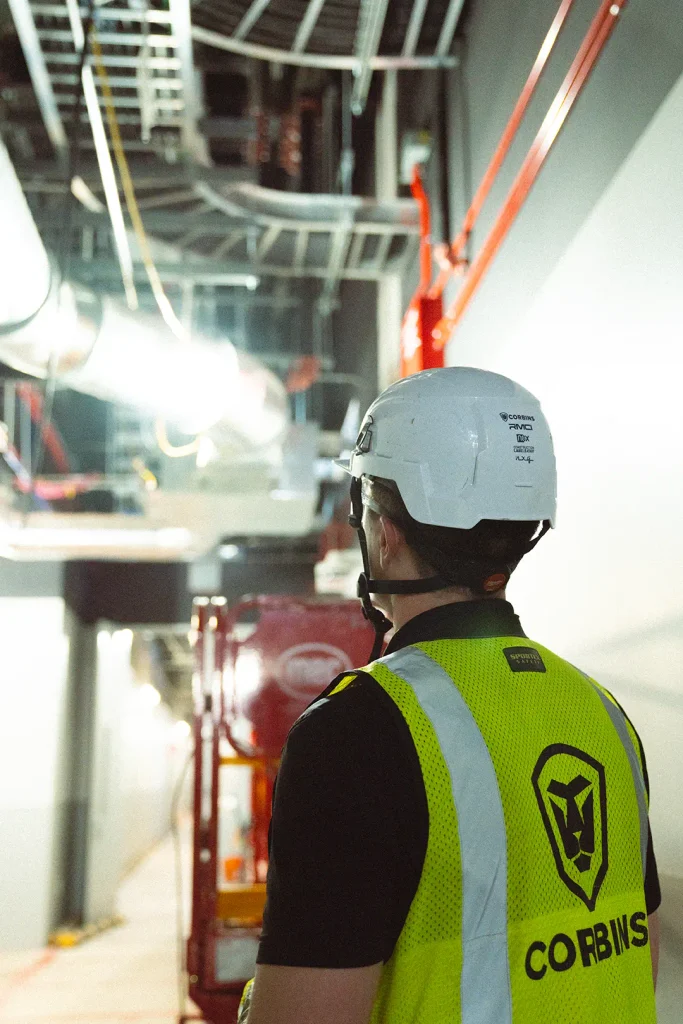
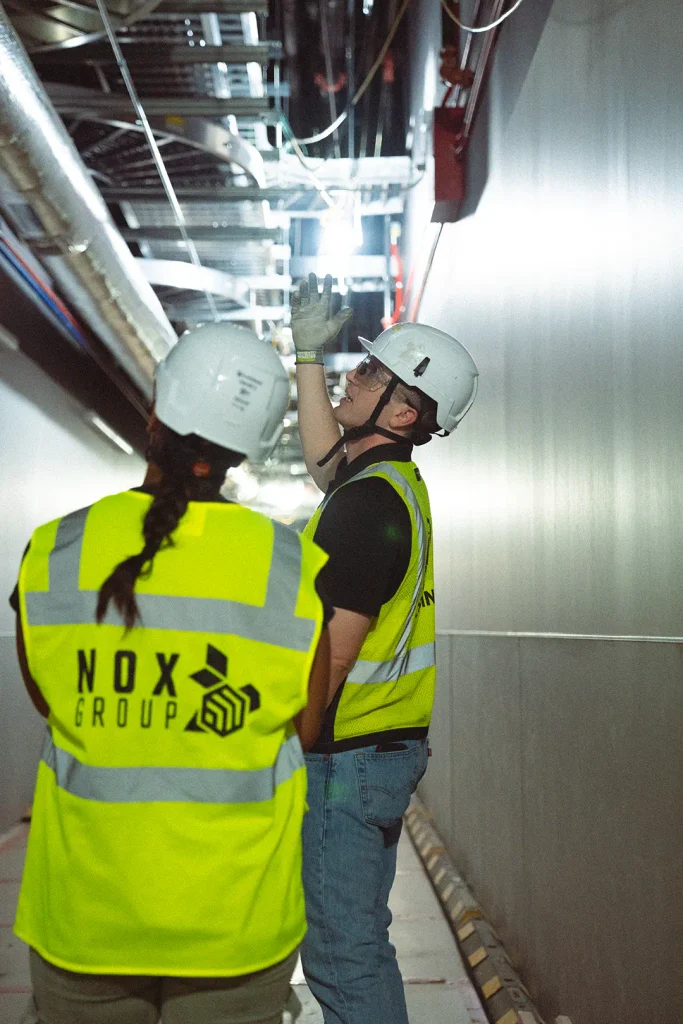
He shows up before he asks anyone else to.
On one site, Field Engineer Arijon noticed something simple: Sean was at power up just as early as everyone else, participated in stretch and flex, and listened to priorities of the day. Every day, without exception. No special treatment, no separate schedule for the guy with “Executive” in his title. General Superintendent Aaron, who works a different job with Sean entirely, put a name to that same pattern from his own vantage point. In all his time around Sean, he’s never once seen him rattled. This confirms the real lesson. Discipline isn’t a personality trait people are born with; it’s a decision made, repeatedly. Arijon walked away from that understanding what it actually looks like to show up for yourself and for the people counting on you.
He’s the same person in every room.
Composure gets talked about a lot in the construction industry, usually after someone’s already lost it. Aaron describes Sean as someone whose temperament simply doesn’t change. His poker face stays intact whether the day is easy or the day is on fire. That’s a hard thing to fake, and an easy thing to notice when it’s real. It’s also, according to Aaron, part of what makes Sean able to talk to literally anybody, in any setting. Composure and approachability tend to travel together. People open up to someone they can easily connect with and are comfortable around.
Out in the field, that approachability is not reserved for just the trailer.
Project Manager Clayton makes a point of mentioning that people will flag Sean down out in the field. Not just his direct reports, anybody. This is because Sean builds genuine relationships with his teammates one conversation at a time. These connections are built on more than one job site, with separate people, years, and projects apart, who all describe walking up to Sean the same way.
He builds people who don’t need him.
His presence is welcomed, though not always needed. Clayton continues to describe Sean as the hands-on leader who still gives his people the room to figure things out themselves. Sean’s version of mentorship isn’t always answers on demand, but rather making sure his team understands their scope well enough to solve their own problems, then stepping back far enough that they have to. He stays available as a sounding board, not a crutch. That’s the harder version of leadership. One that produces people who don’t fall apart the moment the mentor takes a different path.
Which is ultimately the theme here with Sean. Clayton, Aaron, and Arijon weren’t all on the same crew, or even the same timeline. Yet, what they have in common is what they’ve gained by learning from Sean: the standard for showing up, the model for staying steady, the confidence to solve problems.
That’s what mentorship that actually lands looks like. One person who leaves a lasting impact on many people, in many ways.
If you want to work with leaders like Sean, check out our careers page.


 English
 Spanish
